How to Maintain Eco-Friendly Lifestyles in Independent Living Communities
Going green while you’re in an independent living community is easier than you might think. There are a number of simple, effective ways to live your life that help you, the people around you, and the earth. It starts with the decisions you make each day; how you recycle, how you save energy, and more.
Every sustainable decision you make also helps your community be a better place. It’s not just about you; it’s about taking care of each other and the world around you. Many senior living communities have green initiatives that residents can join. Living in an independent living community is a great way to take the first steps toward a sustainable lifestyle. Read on to find out how.
7 Ways to Maintain Eco-Friendly Lifestyles in Independent Living Communities
Living green doesn’t stop with age; it can thrive in community life. Here are 7 simple ways to stay eco-friendly in independent living:
Community Gardening
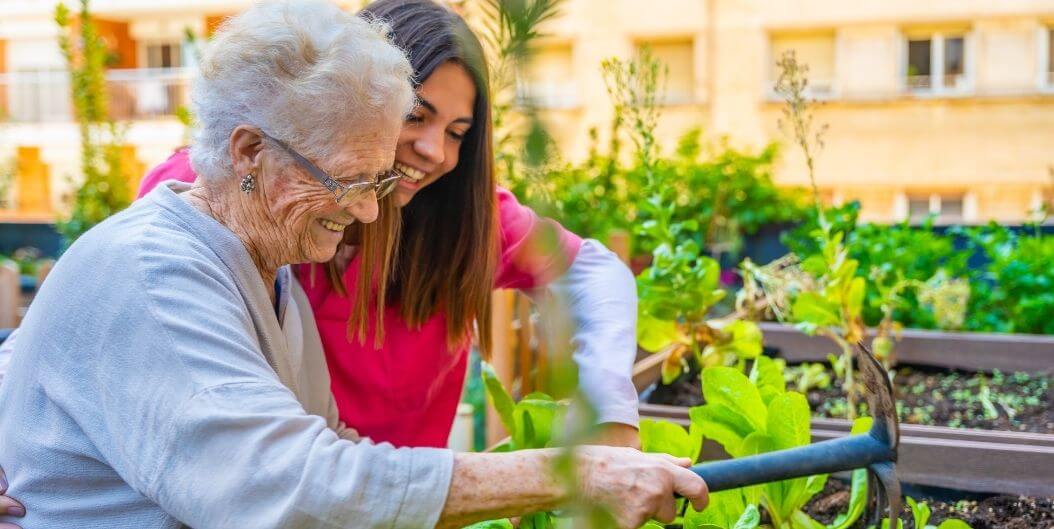
Community gardening allows you to get some extra green-thumb exercise while cultivating your social life at the same time. Planting some vegetables, herbs, or flowers in a garden near your apartment can cut down on food waste and ensure you always have healthy and fresh food on hand.
If you enjoy gardening and your apartment complex has some shared green spaces, you can even meet some like-minded neighbors with whom to garden together. Tending to raised beds and container gardens, growing seasonal vegetables or herbs, and planting flowers and shrubs can all help you to be part of the sustainability solution.
Sustainable Meal Planning
Meal planning is another big part of any effort to lessen your carbon footprint. Menus in independent living communities will often emphasize seasonal and fresh foods. Portions will be controlled to help reduce food waste, and vegetarian or lighter options will have a smaller impact than heavier meals. Dining choices will also be varied, so that you get a full range of balanced meals for wellness and sustainability.
The use of packaging materials and single-use plastics is reduced as much as possible. Culinary programs deliver great-tasting meals with environmentally-friendly practices.
Water Conservation Practices
Water conservation is one of the easiest areas to make changes in your home. Replacing faucets and shower heads with low-flow options can save water and not impact your comfort or usage. Getting the repairing leaks fixed as soon as possible and turning off the tap when brushing your teeth can make a big difference in your water usage and environmental impact.
Recycling Programs
Recycling is one of the most powerful ways that you can contribute to eco-friendly living. Senior retirement communities typically provide dedicated recycling bins for paper, plastic products, glass materials, and electronic waste. They make it easy to properly dispose of materials that would otherwise end up in a landfill.
Recycling programs can also provide education on what can be recycled and what should be thrown away. Recycling becomes a normal part of life when there are convenient recycling bins around the property.
Use of Reusable Products
The use of reusable products is one of the simplest ways to decrease your daily waste. Cloth shopping bags, refillable water bottles, and reusable food containers easily replace their single-use plastic counterparts. During mealtimes in senior living communities, residents get to experience how beneficial this habit can be. Using reusable tableware like dishes and utensils reduces trash during events and group functions.
Other examples are items like microfiber cleaning cloths that can be used as a substitute for paper towels. Changes like these are sustainable because they require no constant re-purchasing, and they also preserve natural resources.
Green Cleaning Products
Cleaning products make a surprisingly large contribution to eco-friendly lifestyles. To avoid compromising air and water quality, many communities avoid harsh chemicals and instead use non-toxic sprays, biodegradable wipes, and other green solutions. Housekeeping helps save you time and also supports the environment by relying on green cleaning products.
These measures reduce the amount of exposure to harsh substances and ensure that spaces remain fresh and sanitary. Biodegradable wipes reduce exposure to harsh chemicals, and the use of reusable cloths, like microfiber, instead of paper towels, reduces waste. Simple changes like these make a big difference.
Eco-Friendly Transportation Options
Green transportation methods include options to get around with fewer emissions while remaining mobile. Communities may provide group excursions and carpooling services, as well as electric shuttles or minibuses, so that residents can participate in outings with others rather than using their own cars. Walking and biking trails are also forms of green transit options that additionally support active exercise.
Retirement communities also often schedule outings to shopping, events, or cultural activities using their prearranged shared transit services, which helps keep traffic and fuel emissions low. Green transportation options like these are often convenient and readily available for getting out and socializing or running errands around the community or at off-site locations.
Ready to Live Sustainably and Responsibly in Your Golden Years? Discover Eco-Friendly Living at Asher Point Round Rock
One of the best parts about keeping green habits going is when the community around you is just as eco-friendly-minded as you. Asher Point Round Rock creates an environment where you can live sustainably and feel connected. Curious to see the green living options in our retirement living community? Book a tour today and discover how Asher Point Round Rock makes an environmentally-friendly lifestyle a natural choice.